Saturday, August 1, 2026

Candle Matcher

Candlestick Pattern Identifier

Chart par bane pattern par click karein aur uski trading strategy janein

Pattern Name

Type
Structure:
๐Ÿ” Kaise Pehchanein:
๐Ÿง  Market Psychology:
๐Ÿ“ Best Location:
๐Ÿ“Š Practical Trading Plan:
๐ŸŽฏ Entry Point:
๐Ÿ›‘ Stop Loss:
๐Ÿ’ก Pro Tip: Reversal patterns par always next candle confirmation zaroori hai.

Wednesday, December 10, 2025

Why U.S. Fed moves matter for India???

 Why U.S. Fed moves matter for India


1. Global liquidity & capital flows. A Fed cut normally loosens global dollar liquidity and lowers U.S. bond yields → investors search for yield and risk → FII flows to emerging markets (including India) tend to increase. A Fed hike does the opposite (tightens global liquidity → potential outflows).

2. Dollar / rupee channel. Fed easing often weakens the US dollar vs other currencies → INR may strengthen (helping importers, lowering FX-adjusted inflation risk). Fed tightening usually supports a stronger dollar → INR pressure. 

3. Global yields & commodity prices. Lower U.S. yields push investors into commodities and precious metals (gold, silver); higher U.S. yields can depress commodity rallies. Recent moves have already lifted silver and metal stocks on hopes of Fed easing.

4. Interaction with domestic policy (RBI). The net impact on India depends strongly on what the RBI does. As of this week, RBI cut the repo rate to 5.25% (25 bps) and injected liquidity — that domestic easing amplifies a Fed cut’s effect on local rates and equities. Conversely, if RBI stays tight while Fed eases, outcomes are mixed. 

---

Markets going into the Fed decision were pricing a likely 25 bps Fed cut and were positioned risk-on. Indian indices were modestly higher ahead of the outcome. 

RBI recently cut repo to 5.25% (Dec 5, 2025) and announced bond purchases / FX swaps to boost liquidity — so Indian policy is already easing. 

---


Scenario analysis — effect on Indian stock market and sectors


A) Fed CUT (e.g., 25 bps) — likely near-term effect


Market reaction (high level):

Risk-on globally → FII inflows into EMs increase → Indian equities likely to see upside (especially cyclical and financial stocks).

Rupee tends to strengthen or be stable → reduces imported inflation risk and supports valuations.

Bond yields may fall → easier financial conditions → multiple expansion for equities (unless earnings disappoint). 


Sectors likely to benefit


Financials (private banks, NBFCs) — better liquidity, easier funding, loan growth pickup; lower bond yields help valuations.

Cyclicals / Consumer discretionary / Autos — improved demand expectations from easier global liquidity and supportive domestic rates.

Real estate / Housing financiers — lower yields and RBI easing → home loan rates fall (EMI relief), demand pickup. (RBI repo cut already causing banks to trim rates). 

Metals, Mining, Precious metals miners — commodity prices (silver, gold, some metals) may rally on weaker dollar / liquidity. Recent silver moves already lifted metal names. 


Sectors that may underperform or see mixed effects


IT / Exporters — a weaker USD may compress near-term USD-INR revenue conversion (margins depend on pricing/hedges).

Defensive staples & utilities — relatively less leverage to risk-on flows (may still rally but less than cyclicals).

---


B) Fed HIKE (tightening) — likely near-term effect


Market reaction (high level):

Risk-off globally → FII outflows or lower inflows → pressure on Indian equities, especially mid & small caps.

Dollar strengthens → rupee weakens, pushing up imported inflation risks and local bond yields.

Bond yields rise → cost of capital increases → multiples contract. 


Sectors likely to benefit


Banks (interest margins) — domestic banks can see NIM expansion if domestic lending rates move up faster than deposit repricing (short run). But this is conditional on RBI pass-through.

Commodities exporters / some oil & gas — a stronger dollar and higher commodity prices (depending on supply shocks) can help producers.


Sectors likely to underperform


Real estate, housing finance — higher rates → EMIs rise → demand softens.

Cyclicals / consumer discretionary / autos — weaker demand expectations and higher financing costs.

High-duration growth stocks (certain tech, SaaS, loss-making growth) — valuations are hit hardest when rates rise.


---

C) Fed UNCHANGED (status quo) — likely near-term effect


Market reaction (high level):

Limited directional shock from Fed itself — market reaction depends on the Fed’s forward guidance (dovish vs hawkish tone). If unchanged but dovish tone → risk-on; if unchanged but hawkish → risk-off. Given RBI easing already in place, an unchanged Fed with neutral/dovish tone would be mild positive for India. 


Sectors likely to benefit


Depends on tone — neutral/dovish tone: similar winners as in a cut (financials, cyclical). Hawkish tone: defensive sectors (FMCG, utilities) hold up better.


---


Things to keep in mind / caveats


1. Domestic policy matters more than Fed over medium-term. Because RBI just cut (5.25%) and is doing OMOs/FX swaps, domestic liquidity and growth outlook may dominate Indian markets in coming quarters. The Fed is an important catalyst for cross-border flows but not the only driver. 

2. History shows Fed moves often spark short-term reactions but not always sustained market moves — fundamentals (earnings, RBI actions, macro data) determine medium-term trajectory. Recent studies/articles point out that Fed cuts don’t automatically translate to long lasting India rallies. 

3. FX hedging and corporate exposures matter at company level — exporters with natural USD revenue may see margin impact from USD moves; importers (oil, certain manufacturers) have opposite exposures.

4. Volatility is likely around the announcement — intra-day moves can be sharp; watch FII flow data, INR moves, and 10-yr G-Sec yields for immediate cues.


Wednesday, August 28, 2024

Relative Valuation - What is Price to Book Ratio?

 The Price-to-Book (P/B) Ratio is a financial metric used to compare a company's current share price to its book value per share. It is an important tool for investors to assess whether a stock is overvalued or undervalued based on its net asset value.

Formula

P/B Ratio=Market Price per ShareBook Value per Share\text{P/B Ratio} = \frac{\text{Market Price per Share}}{\text{Book Value per Share}}

Components

  1. Market Price per Share: The current trading price of a single share of the company's stock.
  2. Book Value per Share: The company's net asset value per share, calculated as:

Book Value per Share=Total Shareholders’ EquityNumber of Outstanding Shares\text{Book Value per Share} = \frac{\text{Total Shareholders' Equity}}{\text{Number of Outstanding Shares}}

How to Calculate

  1. Determine the Market Price per Share: This can be found on financial news websites or stock market platforms.

  2. Calculate the Book Value per Share:

    • Find the total shareholders' equity from the company's balance sheet.
    • Divide the total shareholders' equity by the number of outstanding shares.
  3. Apply the P/B Ratio Formula:

    • Substitute the values into the formula to calculate the ratio.

Interpretation

  • P/B Ratio < 1: This suggests that the stock is trading for less than its book value. It might indicate that the stock is undervalued or that the company is facing financial difficulties.
  • P/B Ratio = 1: The stock is trading at its book value. This typically means the market price is consistent with the company's net asset value.
  • P/B Ratio > 1: The stock is trading above its book value. This may indicate that the market has high expectations for the company's future growth or that the company's assets are valued highly by the market.

Example

Assume:

  • The market price per share of a company is $50.
  • The company’s total shareholders' equity is $200 million.
  • The number of outstanding shares is 10 million.
  1. Calculate Book Value per Share: Book Value per Share=$200,000,00010,000,000=$20\text{Book Value per Share} = \frac{\$200,000,000}{10,000,000} = \$20

  2. Calculate the P/B Ratio: P/B Ratio=$50$20=2.5\text{P/B Ratio} = \frac{\$50}{\$20} = 2.5

This P/B ratio of 2.5 indicates that the stock is trading at 2.5 times its book value.

Usage and Limitations

  • Usage: The P/B ratio is often used by value investors to find undervalued stocks, particularly in industries with significant tangible assets.
  • Limitations: The ratio might be less useful for companies with significant intangible assets (e.g., technology firms with large intellectual property) or those that have negative book value.

The P/B ratio provides a snapshot of how much investors are willing to pay for each dollar of a company's net assets, offering insights into market valuation relative to the company's book value.


เคช्เคฐाเค‡เคธ-เคŸू-เคฌुเค• (P/B) เค…เคจुเคชाเคค เคเค• เคตिเคค्เคคीเคฏ เคฎाเคชเคฆंเคก เคนै เคœिเคธเค•ा เค‰เคชเคฏोเค— เค•िเคธी เค•ंเคชเคจी เค•ी เคตเคฐ्เคคเคฎाเคจ เคถेเคฏเคฐ เค•ी เค•ीเคฎเคค เค•ी เคคुเคฒเคจा เค‰เคธเค•ी เคฌुเค• เคตैเคฒ्เคฏू เคช्เคฐเคคि เคถेเคฏเคฐ เคธे เค•เคฐเคจे เค•े เคฒिเค เค•िเคฏा เคœाเคคा เคนै। เคฏเคน เคจिเคตेเคถเค•ों เค•े เคฒिเค เคเค• เคฎเคนเคค्เคตเคชूเคฐ्เคฃ เคŸूเคฒ เคนै, เคœो เคฏเคน เค†ंเค•เคฒเคจ เค•เคฐเคจे เคฎें เคฎเคฆเคฆ เค•เคฐเคคा เคนै เค•ि เค•ोเคˆ เคธ्เคŸॉเค• เค…เคคि-เคฎूเคฒ्เคฏांเค•िเคค เคนै เคฏा เค…เคตเคฎूเคฒ्เคฏांเค•िเคค เคนै, เค‡เคธเค•े เคจेเคŸ เคเคธेเคŸ เคตैเคฒ्เคฏू เค•े เค†เคงाเคฐ เคชเคฐ।

เคธूเคค्เคฐ

P/B เค…เคจुเคชाเคค=เคถेเคฏเคฐ เค•ी เคตเคฐ्เคคเคฎाเคจ เค•ीเคฎเคคเคฌुเค• เคตैเคฒ्เคฏू เคช्เคฐเคคि เคถेเคฏเคฐ\text{P/B เค…เคจुเคชाเคค} = \frac{\text{เคถेเคฏเคฐ เค•ी เคตเคฐ्เคคเคฎाเคจ เค•ीเคฎเคค}}{\text{เคฌुเค• เคตैเคฒ्เคฏू เคช्เคฐเคคि เคถेเคฏเคฐ}}

เค˜เคŸเค•

  1. เคถेเคฏเคฐ เค•ी เคตเคฐ्เคคเคฎाเคจ เค•ीเคฎเคค: เค•िเคธी เค•ंเคชเคจी เค•े เคธ्เคŸॉเค• เค•ी เคเค•เคฒ เคถेเคฏเคฐ เค•ी เคตเคฐ्เคคเคฎाเคจ เคŸ्เคฐेเคกिंเค— เค•ीเคฎเคค।
  2. เคฌुเค• เคตैเคฒ्เคฏू เคช्เคฐเคคि เคถेเคฏเคฐ: เค•ंเคชเคจी เค•ी เคจेเคŸ เคเคธेเคŸ เคตैเคฒ्เคฏू เคช्เคฐเคคि เคถेเคฏเคฐ, เค—เคฃเคจा เค‡เคธ เคช्เคฐเค•ाเคฐ เค•ी เคœाเคคी เคนै:

เคฌुเค• เคตैเคฒ्เคฏू เคช्เคฐเคคि เคถेเคฏเคฐ=เค•ुเคฒ เคถेเคฏเคฐเคงाเคฐเค•ों เค•ी เคธंเคชเคค्เคคिเค‰Outstanding Shares เค•ी เคธंเค–्เคฏा\text{เคฌुเค• เคตैเคฒ्เคฏू เคช्เคฐเคคि เคถेเคฏเคฐ} = \frac{\text{เค•ुเคฒ เคถेเคฏเคฐเคงाเคฐเค•ों เค•ी เคธंเคชเคค्เคคि}}{\text{เค‰Outstanding Shares เค•ी เคธंเค–्เคฏा}}

เค•ैเคธे เค—เคฃเคจा เค•เคฐें

  1. เคถेเคฏเคฐ เค•ी เคตเคฐ्เคคเคฎाเคจ เค•ीเคฎเคค เคชเคคा เค•เคฐें: เคฏเคน เคตिเคค्เคคीเคฏ เคธเคฎाเคšाเคฐ เคตेเคฌเคธाเค‡เคŸों เคฏा เคธ्เคŸॉเค• เคฎाเคฐ्เค•ेเคŸ เคช्เคฒेเคŸเคซॉเคฐ्เคฎ्เคธ เคชเคฐ เค‰เคชเคฒเคฌ्เคง เคนोเคคी เคนै।

  2. เคฌुเค• เคตैเคฒ्เคฏू เคช्เคฐเคคि เคถेเคฏเคฐ เค•ी เค—เคฃเคจा เค•เคฐें:

    • เค•ंเคชเคจी เค•ी เคฌैเคฒेंเคธ เคถीเคŸ เคธे เค•ुเคฒ เคถेเคฏเคฐเคงाเคฐเค•ों เค•ी เคธंเคชเคค्เคคि เคช्เคฐाเคช्เคค เค•เคฐें।
    • เค•ुเคฒ เคถेเคฏเคฐเคงाเคฐเค•ों เค•ी เคธंเคชเคค्เคคि เค•ो เค†เค‰เคŸเคธ्เคŸैंเคกिंเค— เคถेเคฏเคฐों เค•ी เคธंเค–्เคฏा เคธे เคตिเคญाเคœिเคค เค•เคฐें।
  3. P/B เค…เคจुเคชाเคค เค•ा เคธूเคค्เคฐ เคฒाเค—ू เค•เคฐें:

    • เค—เคฃเคจा เค•े เคฒिเค เคฎाเคจों เค•ो เคธूเคค्เคฐ เคฎें เคช्เคฐเคคिเคธ्เคฅाเคชिเคค เค•เคฐें।

เคต्เคฏाเค–्เคฏा

  • P/B เค…เคจुเคชाเคค < 1: เคฏเคน เคธंเค•ेเคค เค•เคฐเคคा เคนै เค•ि เคธ्เคŸॉเค• เค‰เคธเค•ी เคฌुเค• เคตैเคฒ्เคฏू เคธे เค•เคฎ เค•ीเคฎเคค เคชเคฐ เคŸ्เคฐेเคก เคนो เคฐเคนा เคนै। เคฏเคน เคธ्เคŸॉเค• เค•े เค…เคตเคฎूเคฒ्เคฏिเคค เคนोเคจे เคฏा เค•ंเคชเคจी เค•े เคตिเคค्เคคीเคฏ เคธंเค•เคŸ เคฎें เคนोเคจे เค•ा เคธंเค•ेเคค เคนो เคธเค•เคคा เคนै।
  • P/B เค…เคจुเคชाเคค = 1: เคธ्เคŸॉเค• เค…เคชเคจी เคฌुเค• เคตैเคฒ्เคฏू เคชเคฐ เคŸ्เคฐेเคก เคนो เคฐเคนा เคนै। เค‡เคธเค•ा เคฎเคคเคฒเคฌ เคนै เค•ि เคฌाเคœाเคฐ เคฎूเคฒ्เคฏ เค•ंเคชเคจी เค•े เคจेเคŸ เคเคธेเคŸ เคตैเคฒ्เคฏू เค•े เคธाเคฅ เคฎेเคฒ เค–ाเคคा เคนै।
  • P/B เค…เคจुเคชाเคค > 1: เคธ्เคŸॉเค• เคฌुเค• เคตैเคฒ्เคฏू เคธे เคŠเคชเคฐ เค•ी เค•ीเคฎเคค เคชเคฐ เคŸ्เคฐेเคก เคนो เคฐเคนा เคนै। เคฏเคน เคธंเค•ेเคค เค•เคฐ เคธเค•เคคा เคนै เค•ि เคฌाเคœाเคฐ เค•ो เค•ंเคชเคจी เค•ी เคญเคตिเคท्เคฏ เค•ी เคตृเคฆ्เคงि เค•ी เค‰เคš्เคš เค‰เคฎ्เคฎीเคฆें เคนैं เคฏा เค•ंเคชเคจी เค•ी เคธंเคชเคค्เคคिเคฏों เค•ी เคฎूเคฒ्เคฏांเค•เคจ เคฌाเคœाเคฐ เคฆ्เคตाเคฐा เค…เคงिเค• เค•िเคฏा เค—เคฏा เคนै।

เค‰เคฆाเคนเคฐเคฃ

เคฎाเคจ เคฒीเคœिเค:

  • เค•िเคธी เค•ंเคชเคจी เค•ा เคถेเคฏเคฐ เค•ा เคฌाเคœाเคฐ เคฎूเคฒ्เคฏ $50 เคนै।
  • เค•ंเคชเคจी เค•ी เค•ुเคฒ เคถेเคฏเคฐเคงाเคฐเค•ों เค•ी เคธंเคชเคค्เคคि $200 เคฎिเคฒिเคฏเคจ เคนै।
  • เค†เค‰เคŸเคธ्เคŸैंเคกिंเค— เคถेเคฏเคฐों เค•ी เคธंเค–्เคฏा 10 เคฎिเคฒिเคฏเคจ เคนै।
  1. เคฌुเค• เคตैเคฒ्เคฏू เคช्เคฐเคคि เคถेเคฏเคฐ เค•ी เค—เคฃเคจा เค•เคฐें: เคฌुเค• เคตैเคฒ्เคฏू เคช्เคฐเคคि เคถेเคฏเคฐ=$200,000,00010,000,000=$20\text{เคฌुเค• เคตैเคฒ्เคฏू เคช्เคฐเคคि เคถेเคฏเคฐ} = \frac{\$200,000,000}{10,000,000} = \$20

  2. P/B เค…เคจुเคชाเคค เค•ी เค—เคฃเคจा เค•เคฐें: P/B เค…เคจुเคชाเคค=$50$20=2.5\text{P/B เค…เคจुเคชाเคค} = \frac{\$50}{\$20} = 2.5

เค‡เคธ P/B เค…เคจुเคชाเคค 2.5 เคธे เคชเคคा เคšเคฒเคคा เคนै เค•ि เคธ्เคŸॉเค• เค…เคชเคจी เคฌुเค• เคตैเคฒ्เคฏू เคธे 2.5 เค—ुเคจा เค…เคงिเค• เค•ीเคฎเคค เคชเคฐ เคŸ्เคฐेเคก เคนो เคฐเคนा เคนै।

เค‰เคชเคฏोเค— เค”เคฐ เคธीเคฎाเคं

  • เค‰เคชเคฏोเค—: P/B เค…เคจुเคชाเคค เค•ा เค‰เคชเคฏोเค— เคฎूเคฒ्เคฏ เคจिเคตेเคถเค• เค†เคฎเคคौเคฐ เคชเคฐ เค…เคตเคฎूเคฒ्เคฏिเคค เคธ्เคŸॉเค•्เคธ เค•ो เค–ोเคœเคจे เค•े เคฒिเค เค•เคฐเคคे เคนैं, เค–ाเคธเค•เคฐ เค‰เคจ เค‰เคฆ्เคฏोเค—ों เคฎें เคœिเคจเคฎें เคฎเคนเคค्เคตเคชूเคฐ्เคฃ เค ोเคธ เคธंเคชเคค्เคคिเคฏाँ เคนोเคคी เคนैं।
  • เคธीเคฎाเคं: เคฏเคน เค…เคจुเคชाเคค เค‰เคจ เค•ंเคชเคจिเคฏों เค•े เคฒिเค เค•เคฎ เค‰เคชเคฏोเค—ी เคนो เคธเค•เคคा เคนै เคœिเคจเค•ी เคฎเคนเคค्เคตเคชूเคฐ्เคฃ เค…เคฎूเคฐ्เคค เคธंเคชเคค्เคคिเคฏाँ เคนोเคคी เคนैं (เคœैเคธे, เคคเค•เคจीเค•ी เค•ंเคชเคจिเคฏों เค•े เคชाเคธ เคฌเคก़ी เคฌौเคฆ्เคงिเค• เคธंเคชเคค्เคคि) เคฏा เคœिเคจเค•ी เคฌुเค• เคตैเคฒ्เคฏू เคจเค•ाเคฐाเคค्เคฎเค• เคนोเคคी เคนै।

P/B เค…เคจुเคชाเคค เคจिเคตेเคถเค•ों เค•ो เคฏเคน เคธเคฎเคเคจे เคฎें เคฎเคฆเคฆ เค•เคฐเคคा เคนै เค•ि เคตे เคช्เคฐเคค्เคฏेเค• เคกॉเคฒเคฐ เค•े เคจेเคŸ เคเคธेเคŸ เคตैเคฒ्เคฏू เค•े เคฒिเค เค•िเคคเคจा เคญुเค—เคคाเคจ เค•เคฐเคจे เค•ो เคคैเคฏाเคฐ เคนैं, เค”เคฐ เคฏเคน เค•ंเคชเคจी เค•े เคฎूเคฒ्เคฏांเค•เคจ เคชเคฐ เคเค• เคฆृเคท्เคŸिเค•ोเคฃ เคช्เคฐเคฆाเคจ เค•เคฐเคคा เคนै।

Tuesday, August 27, 2024

Stock to watch out on 28 Aug'24


Relative Valuation-What is P/E Ratio ?

The Price-to-Earnings (P/E) ratio is a widely used tool in stock valuation that provides insight into 

How much investors are willing to pay for each rupee of a company's earnings. 

Here’s a more detailed look at how it works and some considerations for its use:

How to Compute the P/E Ratio

  1. Historical (Trailing) P/E Ratio:

    • Formula: Trailing P/E=Current Stock PriceTrailing EPS\text{Trailing P/E} = \frac{\text{Current Stock Price}}{\text{Trailing EPS}}
    • Example: If the stock price is Rs. 100 and the EPS for the past four quarters is Rs. 5, then the trailing P/E ratio is 20 (i.e., 1005\frac{100}{5}).
  2. Forward (Leading) P/E Ratio:

    • Formula: Forward P/E=Current Stock PriceForecasted EPS\text{Forward P/E} = \frac{\text{Current Stock Price}}{\text{Forecasted EPS}}
    • Example: For a company with EPS estimates of Rs. 6 for the next four quarters and a current stock price of Rs. 100, the forward P/E ratio would be approximately 16.67 (i.e., 1006\frac{100}{6}).

Interpreting the P/E Ratio

  • P/E Ratio Insight: A P/E ratio indicates how much investors are willing to pay per rupee of earnings. For instance, a P/E of 10 means investors are willing to pay Rs. 10 for every Rs. 1 of earnings.

  • Comparison: To assess whether a stock is fairly valued:

    • Compare it to the market average P/E.
    • Compare it with the industry average P/E.
    • Compare it to the P/E ratios of peer companies.

    For example, a stock priced at Rs. 10 with a P/E of 75 is considered more expensive than a stock priced at Rs. 100 with a P/E of 20, assuming other factors are equal.

Limitations of the P/E Ratio

  1. Future Earnings Uncertainty: Forward P/E ratios rely on earnings estimates, which might not always be accurate. Economic conditions, market competition, and company-specific factors can all impact actual earnings.

  2. Negative EPS: For companies with negative earnings (negative EPS), the P/E ratio becomes meaningless or misleading. These companies often cannot be valued using traditional P/E metrics.

  3. Economic Fluctuations: The average P/E ratio can vary significantly with economic conditions. For instance, during economic downturns, P/E ratios may contract even if the earnings projections remain stable.

  4. Different Industry Standards: P/E ratios can vary widely across different industries. A high P/E in one industry might be normal, while it could be considered too high in another.

  5. Growth vs. Value: High P/E ratios are often associated with growth stocks that are expected to grow earnings rapidly, while low P/E ratios might suggest value stocks that are undervalued or struggling.

Summary

The P/E ratio is a valuable tool for assessing stock valuation but should be used in conjunction with other metrics and analysis methods. Consideration of industry norms, market conditions, and future earnings potential is essential for a more comprehensive evaluation of a stock’s worth.


P/E เค…เคจुเคชाเคค เค•ी เค—เคฃเคจा เค”เคฐ เคต्เคฏाเค–्เคฏा

P/E เค…เคจुเคชाเคค (Price-to-Earnings Ratio) เคเค• เคฎเคนเคค्เคตเคชूเคฐ्เคฃ เค‰เคชเค•เคฐเคฃ เคนै เคœो เคฏเคน เคฌเคคाเคคा เคนै เค•ि เคจिเคตेเคถเค• เคเค• เค•ंเคชเคจी เค•ी เคช्เคฐเคค्เคฏेเค• เคฐुเคชเคฏे เค•ी เค†เคฏ เค•े เคฒिเค เค•िเคคเคจा เคญुเค—เคคाเคจ เค•เคฐเคจे เค•ो เคคैเคฏाเคฐ เคนैं। เคฏเคนाँ เค‡เคธเค•ा เคตिเคธ्เคคृเคค เคตिเคตเคฐเคฃ เคนै:

P/E เค…เคจुเคชाเคค เค•ी เค—เคฃเคจा เค•ैเคธे เค•เคฐें

  1. เค‡เคคिเคนाเคธिเค• (Trailing) P/E เค…เคจुเคชाเคค:

    • เคธूเคค्เคฐ: Trailing P/E=เคตเคฐ्เคคเคฎाเคจ เคธ्เคŸॉเค• เคฎूเคฒ्เคฏTrailing EPS\text{Trailing P/E} = \frac{\text{เคตเคฐ्เคคเคฎाเคจ เคธ्เคŸॉเค• เคฎूเคฒ्เคฏ}}{\text{Trailing EPS}}
    • เค‰เคฆाเคนเคฐเคฃ: เคฏเคฆि เคธ्เคŸॉเค• เค•ा เคฎूเคฒ्เคฏ Rs. 100 เคนै เค”เคฐ เคชिเค›เคฒे เคšाเคฐ เคคिเคฎाเคนिเคฏों เค•ा EPS Rs. 5 เคนै, เคคो trailing P/E เค…เคจुเคชाเคค 20 เคนोเค—ा (เคฏाเคจी, 1005\frac{100}{5})।
  2. เค†เค—ाเคฎी (Forward) P/E เค…เคจुเคชाเคค:

    • เคธूเคค्เคฐ: Forward P/E=เคตเคฐ्เคคเคฎाเคจ เคธ्เคŸॉเค• เคฎूเคฒ्เคฏเค…เคจुเคฎाเคจिเคค EPS\text{Forward P/E} = \frac{\text{เคตเคฐ्เคคเคฎाเคจ เคธ्เคŸॉเค• เคฎूเคฒ्เคฏ}}{\text{เค…เคจुเคฎाเคจिเคค EPS}}
    • เค‰เคฆाเคนเคฐเคฃ: เคฏเคฆि เค…เค—เคฒे เคšाเคฐ เคคिเคฎाเคนिเคฏों เค•े เคฒिเค EPS เค…เคจुเคฎाเคจिเคค Rs. 6 เคนै เค”เคฐ เคตเคฐ्เคคเคฎाเคจ เคธ्เคŸॉเค• เคฎूเคฒ्เคฏ Rs. 100 เคนै, เคคो forward P/E เค…เคจुเคชाเคค เคฒเค—เคญเค— 16.67 เคนोเค—ा (เคฏाเคจी, 1006\frac{100}{6})।

P/E เค…เคจुเคชाเคค เค•ी เคต्เคฏाเค–्เคฏा

  • P/E เค…เคจुเคชाเคค เค•ा เค…เคฐ्เคฅ: P/E เค…เคจुเคชाเคค เคฌเคคाเคคा เคนै เค•ि เคจिเคตेเคถเค• เคช्เคฐเคคि เคฐुเคชเคฏे เค•ी เค†เคฏ เคชเคฐ เค•िเคคเคจा เคญुเค—เคคाเคจ เค•เคฐเคจे เค•े เคฒिเค เคคैเคฏाเคฐ เคนैं। เค‰เคฆाเคนเคฐเคฃ เค•े เคฒिเค, P/E เค…เคจुเคชाเคค 10 เค•ा เคฎเคคเคฒเคฌ เคนै เค•ि เคจिเคตेเคถเค• เคช्เคฐเคค्เคฏेเค• Rs. 1 เค•ी เค†เคฏ เค•े เคฒिเค Rs. 10 เคญुเค—เคคाเคจ เค•เคฐเคจे เค•ो เคคैเคฏाเคฐ เคนैं।

  • เคคुเคฒเคจा: เคฏเคน เคฆेเค–เคจे เค•े เคฒिเค เค•ि เคธ्เคŸॉเค• เค‰เคšिเคค เคฎूเคฒ्เคฏ เคชเคฐ เคนै เคฏा เคจเคนीं:

    • เคฌाเคœाเคฐ เค•े เค”เคธเคค P/E เคธे เคคुเคฒเคจा เค•เคฐें।
    • เค‰เคฆ्เคฏोเค— เค•े เค”เคธเคค P/E เคธे เคคुเคฒเคจा เค•เคฐें।
    • เคธเคนเค•เคฐ्เคฎी เค•ंเคชเคจिเคฏों เค•े P/E เค…เคจुเคชाเคค เคธे เคคुเคฒเคจा เค•เคฐें।

    เค‰เคฆाเคนเคฐเคฃ เค•े เคฒिเค, Rs. 10 เคฎूเคฒ्เคฏ เคตाเคฒे เคธ्เคŸॉเค• เค•ा P/E เค…เคจुเคชाเคค 75 เคนोเคคा เคนै, เคคो เคฏเคน Rs. 100 เคฎूเคฒ्เคฏ เคตाเคฒे เคธ्เคŸॉเค• เค•े P/E เค…เคจुเคชाเคค 20 เคธे เค…เคงिเค• เคฎเคนंเค—ा เคฎाเคจा เคœाเคเค—ा, เคฏเคฆि เค…เคจ्เคฏ เค•ाเคฐเค• เคธเคฎाเคจ เคนों।

P/E เค…เคจुเคชाเคค เค•ी เคธीเคฎाเคँ

  1. เคญเคตिเคท्เคฏ เค•ी เค†เคฏ เค•ी เค…เคจिเคถ्เคšिเคคเคคा: Forward P/E เค…เคจुเคชाเคค เค†เคฏ เค•े เค…เคจुเคฎाเคจों เคชเคฐ เคจिเคฐ्เคญเคฐ เค•เคฐเคคे เคนैं, เคœो เคนเคฎेเคถा เคธเคŸीเค• เคจเคนीं เคนो เคธเค•เคคे। เค†เคฐ्เคฅिเค• เคธ्เคฅिเคคिเคฏाँ, เคฌाเคœाเคฐ เค•ी เคช्เคฐเคคिเคธ्เคชเคฐ्เคงा, เค”เคฐ เค•ंเคชเคจी-เคตिเคถेเคท เค•ाเคฐเค• เคตाเคธ्เคคเคตिเค• เค†เคฏ เค•ो เคช्เคฐเคญाเคตिเคค เค•เคฐ เคธเค•เคคे เคนैं।

  2. เค‹เคฃाเคค्เคฎเค• EPS: เคœिเคจ เค•ंเคชเคจिเคฏों เค•ा EPS เค‹เคฃाเคค्เคฎเค• เคนोเคคा เคนै, เค‰เคจเค•े เคฒिเค P/E เค…เคจुเคชाเคค เค•ा เค‰เคชเคฏोเค— เค…เคฐ्เคฅเคชूเคฐ्เคฃ เคจเคนीं เคนोเคคा เค”เคฐ เคฏเคน เคญ्เคฐाเคฎเค• เคนो เคธเค•เคคा เคนै। เค‡เคจ เค•ंเคชเคจिเคฏों เค•ी เคชाเคฐंเคชเคฐिเค• P/E เคฎेเคŸ्เคฐिเค•्เคธ เค•ा เค‰เคชเคฏोเค— เค•เคฐเค•े เคฎूเคฒ्เคฏांเค•เคจ เค•เคฐเคจा เค•เค िเคจ เคนोเคคा เคนै।

  3. เค†เคฐ्เคฅिเค• เค‰เคคाเคฐ-เคšเคข़ाเคต: เค”เคธเคค P/E เค…เคจुเคชाเคค เค†เคฐ्เคฅिเค• เคธ्เคฅिเคคिเคฏों เค•े เคธाเคฅ เคญिเคจ्เคจ เคนो เคธเค•เคคा เคนै। เค‰เคฆाเคนเคฐเคฃ เค•े เคฒिเค, เค†เคฐ्เคฅिเค• เคฎंเคฆी เค•े เคฆौเคฐाเคจ, P/E เค…เคจुเคชाเคค เคธंเค•ुเคšिเคค เคนो เคธเค•เคคे เคนैं, เคญเคฒे เคนी เค†เคฏ เค•ी เคญเคตिเคท्เคฏเคตाเคฃिเคฏाँ เคธ्เคฅिเคฐ เคนों।

  4. เค‰เคฆ्เคฏोเค— เคฎाเคจเค•: เคตिเคญिเคจ्เคจ เค‰เคฆ्เคฏोเค—ों เคฎें P/E เค…เคจुเคชाเคค เค•ाเคซी เคญिเคจ्เคจ เคนो เคธเค•เคคे เคนैं। เคเค• เค‰เคฆ्เคฏोเค— เคฎें เค‰เคš्เคš P/E เคธाเคฎाเคจ्เคฏ เคนो เคธเค•เคคा เคนै, เคœเคฌเค•ि เคฆूเคธเคฐे เคฎें เค‡เคธे เคฌเคนुเคค เค…เคงिเค• เคฎाเคจा เคœा เคธเค•เคคा เคนै।

  5. เคตृเคฆ्เคงि เคฌเคจाเคฎ เคฎूเคฒ्เคฏ: เค‰เคš्เคš P/E เค…เคจुเคชाเคค เค…เค•्เคธเคฐ เค‰เคจ เคตृเคฆ्เคงि เคธ्เคŸॉเค•्เคธ เคธे เคœुเคก़े เคนोเคคे เคนैं เคœो เค†เคฏ เคฎें เคคेเคœी เคธे เคตृเคฆ्เคงि เค•ी เค‰เคฎ्เคฎीเคฆ เคฐเค–เคคे เคนैं, เคœเคฌเค•ि เค•เคฎ P/E เค…เคจुเคชाเคค เคฎूเคฒ्เคฏ เคธ्เคŸॉเค•्เคธ เค•ो เคฆเคฐ्เคถाเคคे เคนैं เคœो เค•เคฎ เคฎूเคฒ्เคฏांเค•िเคค เคฏा เคธंเค˜เคฐ्เคท เค•เคฐ เคฐเคนे เคนोเคคे เคนैं।

เคธाเคฐांเคถ

P/E เค…เคจुเคชाเคค เคเค• เคฎเคนเคค्เคตเคชूเคฐ्เคฃ เค‰เคชเค•เคฐเคฃ เคนै เคœो เคธ्เคŸॉเค• เคฎूเคฒ्เคฏांเค•เคจ เคฎें เคฎเคฆเคฆ เค•เคฐเคคा เคนै, เคฒेเค•िเคจ เค‡เคธे เค…เคจ्เคฏ เคฎेเคŸ्เคฐिเค•्เคธ เค”เคฐ เคตिเคถ्เคฒेเคทเคฃ เคตिเคงिเคฏों เค•े เคธाเคฅ เค‰เคชเคฏोเค— เค•เคฐเคจा เคšाเคนिเค। เค‰เคฆ्เคฏोเค— เคฎाเคจเค•ों, เคฌाเคœाเคฐ เค•ी เคธ्เคฅिเคคिเคฏों, เค”เคฐ เคญเคตिเคท्เคฏ เค•ी เค†เคฏ เค•ी เคธंเคญाเคตเคจाเค“ं เคชเคฐ เคตिเคšाเคฐ เค•เคฐเคจा เคเค• เคธ्เคŸॉเค• เค•े เคฎूเคฒ्เคฏांเค•เคจ เค•े เคฒिเค เคฎเคนเคค्เคตเคชूเคฐ्เคฃ เคนै।

Monday, August 26, 2024

What is Bonus Issue ?

 A bonus issue of shares is made to the existing shareholders of a company without any consideration from them. The entitlement to the bonus shares depends upon the existing shareholding of the investors. A bonus issue int he ratio 1:3 entitles the shareholder to 1 bonus share for every 3 held. The Company makes the bonus issues out of its free reserves built from genuine profits. A company cannot make a bonus issue if it has defaulted on the payment of interest or principal on any debt securities issues or any fixed deposit raised.

A company has to get the approval of its board of directors for a bonus issue. In some cases, the shareholders of the company also need to approve the issue. Where the shareholders' approval is not required, the bonus issues must be completed withing 15 days of the board's approval. Where approval of the shareholder is required, the issue must be completed withing two months of receiving the board's approval. A bonus issue once announced cannot be withdrawn. The record date for the bonus issue will be announced and all shareholders as on the record date will be entitled to receive the bonus.


เคเค• เคฌोเคจเคธ เค‡เคถ्เคฏू เคคเคฌ เค•िเคฏा เคœाเคคा เคนै เคœเคฌ เคเค• เค•ंเคชเคจी เค…เคชเคจे เคฎौเคœूเคฆा เคถेเคฏเคฐเคงाเคฐเค•ों เค•ो เคฌिเคจा เค•िเคธी เคฎूเคฒ्เคฏ เค•े เคถेเคฏเคฐ เคช्เคฐเคฆाเคจ เค•เคฐเคคी เคนै। เคฌोเคจเคธ เคถेเคฏเคฐों เค•ा เค…เคงिเค•ाเคฐ เคจिเคตेเคถเค•ों เค•े เคฎौเคœूเคฆा เคถेเคฏเคฐเคงाเคฐिเคคा เคชเคฐ เคจिเคฐ्เคญเคฐ เค•เคฐเคคा เคนै। เค‰เคฆाเคนเคฐเคฃ เค•े เคฒिเค, เคฏเคฆि เคฌोเคจเคธ เค‡เคถ्เคฏू 1:3 เค•े เค…เคจुเคชाเคค เคฎें เคนै, เคคो เค‡เคธเค•ा เคฎเคคเคฒเคฌ เคนै เค•ि เคนเคฐ 3 เคฎौเคœूเคฆा เคถेเคฏเคฐों เค•े เคฌเคฆเคฒे เคฎें เคเค• เคฌोเคจเคธ เคถेเคฏเคฐ เคฎिเคฒेเค—ा। เค•ंเคชเคจी เคฌोเคจเคธ เค‡เคถ्เคฏू เค…เคชเคจे เคตाเคธ्เคคเคตिเค• เคฒाเคญों เคธे เคฌเคจे เคซ्เคฐी เคฐिเคœ़เคฐ्เคต्เคธ เคธे เค•เคฐเคคी เคนै। เคฏเคฆि เค•ंเคชเคจी เคจे เค•िเคธी เคญी เค‹เคฃ เคธुเคฐเค•्เคทा เคฏा เค•िเคธी เคจिเคถ्เคšिเคค เคœเคฎा เคชเคฐ เคฌ्เคฏाเคœ เคฏा เคฎूเคฒเคงเคจ เค•े เคญुเค—เคคाเคจ เคฎें เคšूเค• เค•ी เคนै, เคคो เคตเคน เคฌोเคจเคธ เค‡เคถ्เคฏू เคจเคนीं เค•เคฐ เคธเค•เคคी।

เค•ंเคชเคจी เค•ो เคฌोเคจเคธ เค‡เคถ्เคฏू เค•े เคฒिเค เค…เคชเคจे เคฌोเคฐ्เคก เค‘เคซ เคกाเคฏเคฐेเค•्เคŸเคฐ्เคธ เค•ी เคฎंเคœूเคฐी เคช्เคฐाเคช्เคค เค•เคฐเคจी เคนोเคคी เคนै। เค•ुเค› เคฎाเคฎเคฒों เคฎें, เค•ंเคชเคจी เค•े เคถेเคฏเคฐเคงाเคฐเค•ों เค•ी เคญी เคฎंเคœूเคฐी เค†เคตเคถ्เคฏเค• เคนोเคคी เคนै। เคœเคนां เคถेเคฏเคฐเคงाเคฐเค•ों เค•ी เคฎंเคœूเคฐी เค•ी เค†เคตเคถ्เคฏเค•เคคा เคจเคนीं เคนोเคคी, เคตเคนां เคฌोเคจเคธ เค‡เคถ्เคฏू เค•ो เคฌोเคฐ्เคก เค•ी เคฎंเคœूเคฐी เค•े 15 เคฆिเคจों เค•े เคญीเคคเคฐ เคชूเคฐा เค•िเคฏा เคœाเคจा เคšाเคนिเค। เคœเคนां เคถेเคฏเคฐเคงाเคฐเค•ों เค•ी เคฎंเคœूเคฐी เค†เคตเคถ्เคฏเค• เคนोเคคी เคนै, เคตเคนां เค‡เคถ्เคฏू เค•ो เคฌोเคฐ्เคก เค•ी เคฎंเคœूเคฐी เคช्เคฐाเคช्เคค เค•เคฐเคจे เค•े เคฆो เคฎเคนीเคจों เค•े เคญीเคคเคฐ เคชूเคฐा เค•िเคฏा เคœाเคจा เคšाเคนिเค। เคเค• เคฌाเคฐ เคฌोเคจเคธ เค‡เคถ्เคฏू เค•ी เค˜ोเคทเคฃा เค•े เคฌाเคฆ เค‡เคธे เคตाเคชเคธ เคจเคนीं เคฒिเคฏा เคœा เคธเค•เคคा। เคฌोเคจเคธ เค‡เคถ्เคฏू เค•े เคฒिเค เคฐिเค•ॉเคฐ्เคก เคคिเคฅि เค•ी เค˜ोเคทเคฃा เค•ी เคœाเคเค—ी เค”เคฐ เคฐिเค•ॉเคฐ्เคก เคคिเคฅि เคชเคฐ เคธเคญी เคถेเคฏเคฐเคงाเคฐเค•ों เค•ो เคฌोเคจเคธ เคช्เคฐाเคช्เคค เคนोเค—ा।

What is Right Issue?

 RIGHT ISSUE

Whenever a company makes a fresh issue of shares, it has an impact on the existing shareholders since their proportionate holding in the share capital of the company gets diluted. For example, a company may have 10 lakh shares of Rs. 10 each, amounting to an issue and paid-up capital of Rs. 1 Crore. If it issues another 10 Lakh shares, to increase its capital, the proportion held by existing shareholders will come down by half, as the issues and paid-up capital has doubled. This is called as dilution of holdings. To prevent this the Company's Act required that a company which wants to raise more capital through an issue of shares must first offer them to the existing shareholders. Such an offer of shares is called a right issue.

The rights shares are offered to the existing investors in a proportion as approved by the board of a company. For example, the company may choose to issue rights at 1 for 1, to double its capital. This means each existing shareholder will get one equity share for every one equity share that they already hold. The issues and paid capital will double, but proportionate holdings will not change, Ratio of rights issues need not always be one. They can 1:2, 2:3 and 2:5 and so on, depending on the decision of the board of the company. A right issue of share must follow all the SEBI's regulations on issues of shares. A listed company making a rights issue shall fix a record date to determine the eligibility of the shareholders for the right issue. The company must issue a letter of offer giving details of the issue including the purpose for which funds are being raised. The draft letter of offer must be filed with SEBI. The rights entitlement are credited to the demat account of the investor.


เคฐाเค‡เคŸ เค‡เคถ्เคฏू

เคœเคฌ เค•ोเคˆ เค•ंเคชเคจी เคจเคˆ เคถेเคฏเคฐों เค•ा เค‡เคถ्เคฏू เค•เคฐเคคी เคนै, เคคो เค‡เคธเค•ा เค…เคธเคฐ เคฎौเคœूเคฆा เคถेเคฏเคฐเคงाเคฐเค•ों เคชเคฐ เคชเคก़เคคा เคนै เค•्เคฏोंเค•ि เค‰เคจเค•े เคถेเคฏเคฐ เคชूंเคœी เคฎें เคนिเคธ्เคธे เค•ा เค…เคจुเคชाเคค เค˜เคŸ เคœाเคคा เคนै। เค‰เคฆाเคนเคฐเคฃ เค•े เคฒिเค, เคเค• เค•ंเคชเคจी เค•े เคชाเคธ 10 เคฒाเค– เคถेเคฏเคฐ เคนैं, เคœिเคจเค•ा เคฎूเคฒ्เคฏ 10 เคฐुเคชเคฏे เคช्เคฐเคคि เคถेเคฏเคฐ เคนै, เคœिเคธเคธे เค•ुเคฒ เคœाเคฐी เค”เคฐ เคšुเค•เคคा เคชूंเคœी 1 เค•เคฐोเคก़ เคฐुเคชเคฏे เคนै। เคฏเคฆि เค•ंเคชเคจी 10 เคฒाเค– เค”เคฐ เคถेเคฏเคฐ เคœाเคฐी เค•เคฐเคคी เคนै, เคคाเค•ि เค…เคชเคจी เคชूंเคœी เคฌเคข़ा เคธเค•े, เคคो เคฎौเคœूเคฆा เคถेเคฏเคฐเคงाเคฐเค•ों เค•ा เค…เคจुเคชाเคค เค†เคงे เคฎें เค† เคœाเคเค—ा, เค•्เคฏोंเค•ि เคœाเคฐी เค”เคฐ เคšुเค•เคคा เคชूंเคœी เคกเคฌเคฒ เคนो เค—เคˆ เคนै। เค‡เคธे เคนिเคธ्เคธेเคฆाเคฐी เค•ा เคชเคคเคฒा เคนोเคจा เค•เคนเคคे เคนैं। เค‡เคธे เคฐोเค•เคจे เค•े เคฒिเค เค•ंเคชเคจी เค…เคงिเคจिเคฏเคฎ เค•ी เค†เคตเคถ्เคฏเค•เคคा เคนै เค•ि เคœो เค•ंเคชเคจी เคถेเคฏเคฐ เคœाเคฐी เค•เคฐ เค•े เค…เคงिเค• เคชूंเคœी เคœुเคŸाเคจा เคšाเคนเคคी เคนै, เค‰เคธे เคชเคนเคฒे เคฎौเคœूเคฆा เคถेเคฏเคฐเคงाเคฐเค•ों เค•ो เคช्เคฐเคธ्เคคाเคต เคฆेเคจा เคšाเคนिเค। เคเคธे เคถेเคฏเคฐों เค•े เคช्เคฐเคธ्เคคाเคต เค•ो "เคฐाเค‡เคŸ เค‡เคถ्เคฏू" เค•เคนा เคœाเคคा เคนै।

เคฐाเค‡เคŸ्เคธ เคถेเคฏเคฐ เคฎौเคœूเคฆा เคจिเคตेเคถเค•ों เค•ो เคฌोเคฐ्เคก เคฆ्เคตाเคฐा เค…เคจुเคฎोเคฆिเคค เค…เคจुเคชाเคค เคฎें เคชेเคถ เค•िเค เคœाเคคे เคนैं। เค‰เคฆाเคนเคฐเคฃ เค•े เคฒिเค, เค•ंเคชเคจी 1:1 เค•े เค…เคจुเคชाเคค เคฎें เคฐाเค‡เคŸ्เคธ เค‡เคถ्เคฏू เค•เคฐ เคธเค•เคคी เคนै, เคœिเคธเคธे เค‰เคธเค•ी เคชूंเคœी เคกเคฌเคฒ เคนो เคœाเคเค—ी। เค‡เคธเค•ा เคฎเคคเคฒเคฌ เคนै เค•ि เคช्เคฐเคค्เคฏेเค• เคฎौเคœूเคฆा เคถेเคฏเคฐเคงाเคฐเค• เค•ो เคนเคฐ เคเค• เคถेเคฏเคฐ เค•े เคฌเคฆเคฒे เคฎें เคเค• เค…เคคिเคฐिเค•्เคค เคถेเคฏเคฐ เคฎिเคฒेเค—ा เคœो เคตे เคชเคนเคฒे เคธे เคนी เคฐเค–เคคे เคนैं। เคœाเคฐी เค”เคฐ เคšुเค•เคคा เคชूंเคœी เคกเคฌเคฒ เคนो เคœाเคเค—ी, เคฒेเค•िเคจ เค…เคจुเคชाเคคिเคค เคนिเคธ्เคธेเคฆाเคฐी เคฎें เค•ोเคˆ เคฌเคฆเคฒाเคต เคจเคนीं เคนोเค—ा। เคฐाเค‡เคŸ्เคธ เค‡เคถ्เคฏू เค•ा เค…เคจुเคชाเคค เคนเคฎेเคถा 1:1 เคจเคนीं เคนो เคธเค•เคคा। เคฏเคน 1:2, 2:3 เค”เคฐ 2:5 เค†เคฆि เคนो เคธเค•เคคा เคนै, เคœो เค•ंเคชเคจी เค•े เคฌोเคฐ्เคก เค•े เคจिเคฐ्เคฃเคฏ เคชเคฐ เคจिเคฐ्เคญเคฐ เค•เคฐเคคा เคนै। เคเค• เคฐाเค‡เคŸ เค‡เคถ्เคฏू เค•ो SEBI เค•े เคถेเคฏเคฐ เค‡เคถ्เคฏू เคชเคฐ เคธเคญी เคจिเคฏเคฎों เค•ा เคชाเคฒเคจ เค•เคฐเคจा เคšाเคนिเค। เคเค• เคธूเคšीเคฌเคฆ्เคง เค•ंเคชเคจी เคœो เคฐाเค‡เคŸ्เคธ เค‡เคถ्เคฏू เค•เคฐเคคी เคนै, เค‰เคธे เคถेเคฏเคฐเคงाเคฐเค•ों เค•ी เคชाเคค्เคฐเคคा เคจिเคฐ्เคงाเคฐिเคค เค•เคฐเคจे เค•े เคฒिเค เคเค• เคฐिเค•ॉเคฐ्เคก เคคिเคฅि เคคเคฏ เค•เคฐเคจी เคšाเคนिเค। เค•ंเคชเคจी เค•ो เคเค• เคช्เคฐเคธ्เคคाเคต เคชเคค्เคฐ เคœाเคฐी เค•เคฐเคจा เคšाเคนिเค เคœिเคธเคฎें เค‡เคถ्เคฏू เค•ा เคตिเคตเคฐเคฃ เค”เคฐ เคชूंเคœी เคœुเคŸाเคจे เค•े เค‰เคฆ्เคฆेเคถ्เคฏ เค•ो เคถाเคฎिเคฒ เค•िเคฏा เคœाเคจा เคšाเคนिเค। เคช्เคฐเคธ्เคคाเคต เคชเคค्เคฐ เค•ा เคก्เคฐाเคซ्เคŸ SEBI เค•े เคธाเคฅ เคœเคฎा เค•िเคฏा เคœाเคจा เคšाเคนिเค। เคฐाเค‡เคŸ्เคธ เคंเคŸाเค‡เคŸเคฒเคฎेंเคŸ เคจिเคตेเคถเค• เค•े เคกिเคฎैเคŸ เค…เค•ाเค‰ंเคŸ เคฎें เค•्เคฐेเคกिเคŸ เค•िเค เคœाเคคे เคนैं।


Sunday, August 25, 2024

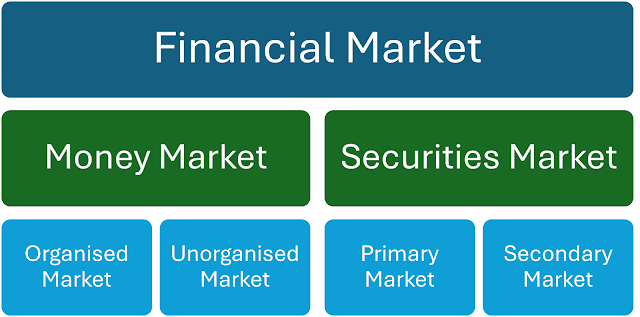
The Indian Financial Markets-Introduction

The financial markets enable efficient transfer and allocation of resources for productive activities in the economy. Users of funds include governments, businesses and households who seek funds to run their activities. Governments, businesses and households also act as providers of surplus funds. Intermediaries such as banks, financial institutions, mutual funds and insurance companies, among others, channelize the available surplus funds from lender to the users.


The function of the financial markets is to ensure that economic activity is enables by providing access of funds to those that need it for consumption or productive activity. They provide a way for aggregation of funds from a large number of investors and make it available for productive economic activity, For Example, Banks collect deposits from a large number of depositors who have surplus funds and lend it to individuals and businesses who seek loans to meet their need for funds. In the absence of financial markets such aggregation may not be possible. 

An efficient financial market ensures that the transfer of funds happen at a cost that makes it attractive for savers to save and lend and for users to borrow funds. The markets must enable the dissemination of relevant information to all its participation so that decision is made after integrating all available information that determine the risk and return for the lenders and cost of funds to the borrowers. It must also allow the participants to review their funding decisions given new information and to reallocate the resources accordingly.

Therefore, providing liquidity and exit options are an important function of financial markets. Financial market regulation and regulators focus of setting up system and processes in place to streamline the activities associated with the transfer of funds.

Thursday, August 31, 2023

TRADING-How to increase usability of trading style-Part 3 -"Pattern Confirmation"

So how do we confirm a pattern? There are several methods and it is down to personal preference as to how you decide to confirm your patterns. However please be warned that the word ‘confirmation’ can be a little misleading as just because we confirm a pattern it does not guarantee that the pattern will be fulfilled. Confirmation simply means ‘a point on the chart in which we assume, when crossed, the pattern may reach a target’.
 
A pattern can be confirmed, only to see price reverse and trade back into the suspected pattern to make it a ‘failed pattern’. Each pattern has a breakout line which is similar to drawing a trendline or S/R level.    
Uploading: 62690 of 62690 bytes uploaded.

Breakout: We simply require price to cross the line. This is an ideal method if you want to set pending orders to catch the breakout. However price can (and does) return back over the breakout line to invalidate the pattern.

Close: We want to see price close a bar over the line to confirm the signal. This provides extra confidence and reduces the chances of it being a failed signal, however you also risk missing the move and for price to take off without you.


Multiple Closes: Some analysts use 2 or 3 closes to confirm the pattern. Whilst this provides even greater confidence you again risk the chance of missing the move for it to be profitable enough (for your reward/risk ratio)


Throwback: A throwback is my preferred style if trading the pattern. This is where price breakouts out or closes to confirm the pattern, but then returns to the breakout line. If this level then holds as either support or resistance it can provide an excellent entry with greater confidence and precision to achieve a much better reward/risk ratio. However the downside to this approach is you are much more likely to repeatedly miss moves if it doesn’t quite return to the breakout line.


I would not say that one method is not particularly better than the other, but it is important to use a method which suits your trading style and personality. For example an aggressive day-­‐trader who must be in the markets as much as possible may not have the patience to wait for a throwback (in fear of missing out) so a breakout approach may be better. Similarly and End of Day trader with more patience may be better suited to the throwback.

Candle Matcher

Candlestick Pattern Identifier Chart par bane pattern par click karein aur uski trading strategy janein All ...